Research statement
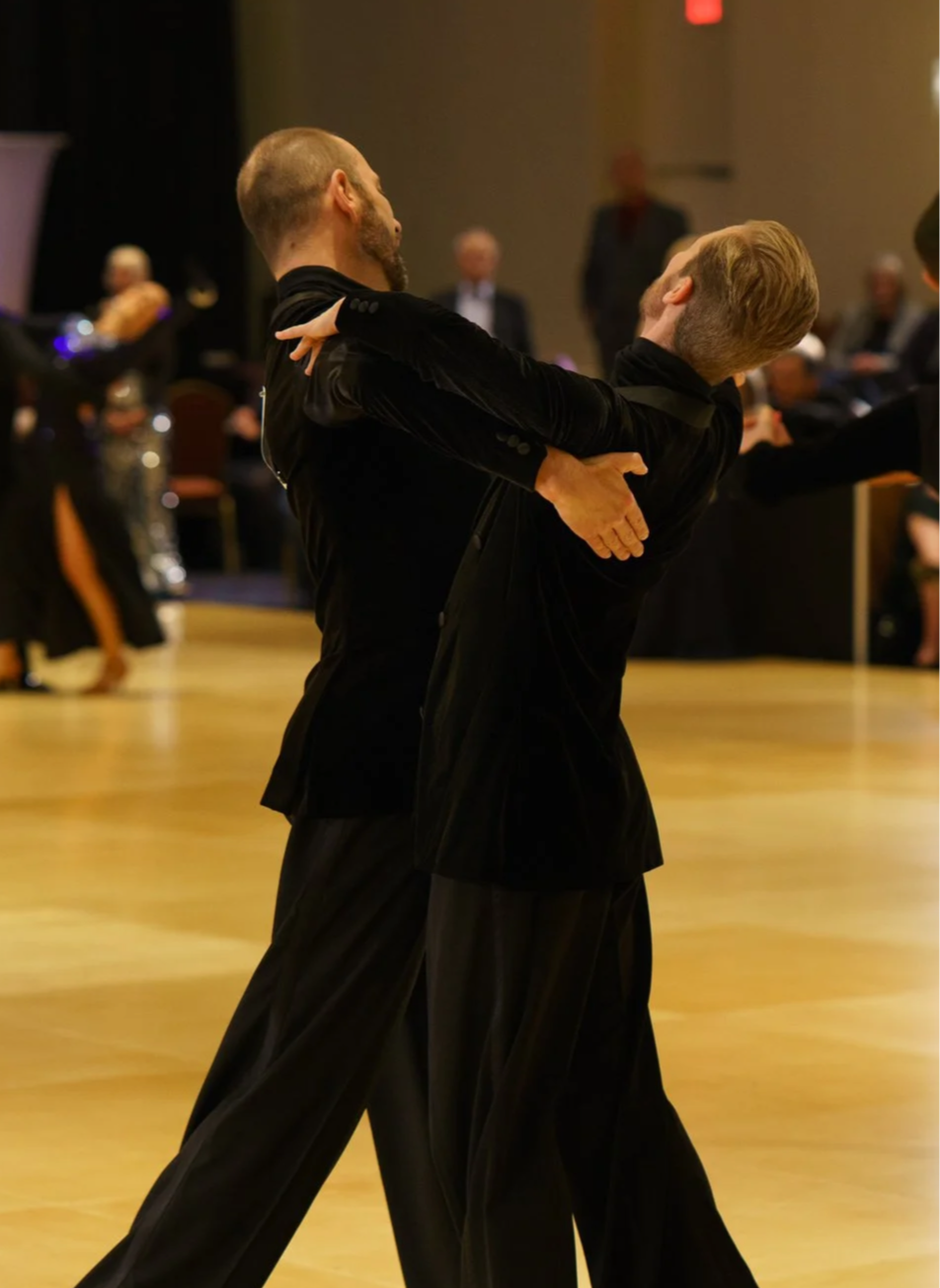
Photo by James Hosking
I am a ballroom/Latin-trained contemporary dance artist, choreographer, and a somatic movement researcher who investigates breaking down traditional gender roles in ballroom dancing, with specific interest in developing an equal partnership style where roles of lead and follow disappear altogether.
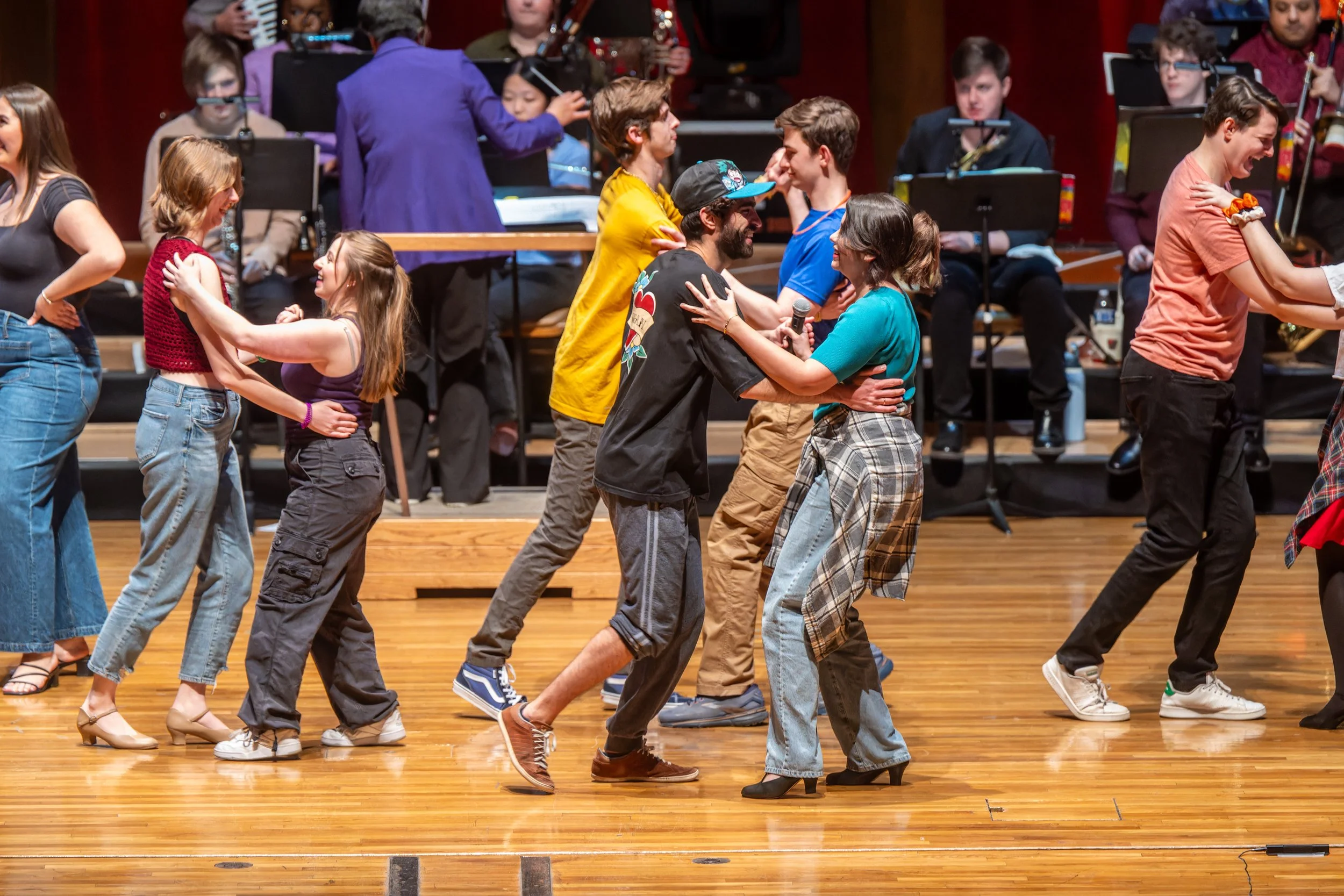
Photo by Darrell Hoemann
In an academic setting, creative research and scholarship must exist in dynamic conversation with undergraduate and graduate education. My creative practice so far centered on choreographing works based on cultural forms, mainly of Afro-Cuban and Afro-Brazilian origins, but pairing dancers in ways which do not adhere to traditional gender roles, e.g. same-sex couples. Some of these works include Carnaval! (2024-2026) for The Lyric Theatre at Illinois, and Strongly Correlated Bodies, a commissioned work for Illinois Wesleyan University’s School of Theatre Arts.
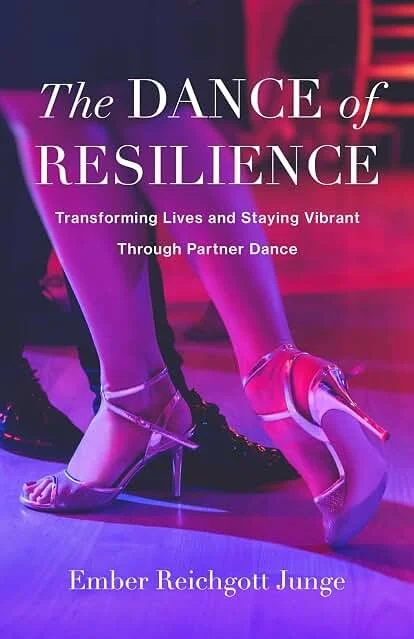
Moving forward, my creative research agenda will focus on taking gender neutrality in ballroom/Latin partnering further, and developing a fluid role-switching style with no assigned leader and follower roles. Challenging traditional gender roles in ballroom/Latin is particularly significant for LGBTQ+ dancers and everyone who falls outside of the rigid, binary male-lead and female-follow model. My contributions to the fight for equality of non-traditional ballroom couples were described in a book by Ember Reichgott Junge, The Dance of Resilience, published in the spring of 2026.
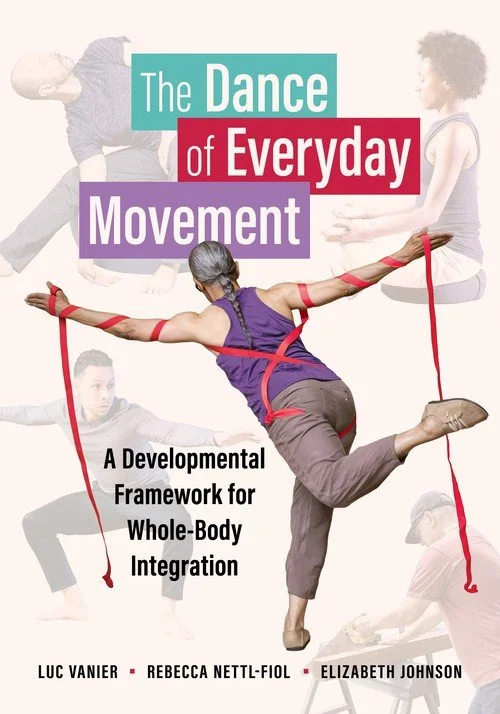
As a scholar and a somatic practitioner, I plan to continue my investigations of partnering techniques through the lens of Framework for Integration, a system of observing and analyzing movement, developed by Rebecca Nettl-Fiol, Luc Vanier, and Elizabeth Johnson. These investigations, which began over a decade ago, were featured in their new book, The Dance of Everyday Movement, which I was asked to contribute a chapter to. My research blog can be found at dynamiccoordination.com